The first step in the home buying process is choosing a Realtor and getting pre-approved for a mortgage. Having the right professionals on your side makes the entire process much smoother and less stressful. A trusted real estate agent will guide you through each step, offer honest advice, and help you understand the benefits and potential drawbacks of each property you consider. Getting connected with a mortgage consultant early in the process helps you understand your budget, determine your price range, and prepares you for a smooth financing process. Together, your Realtor and mortgage consultant help you make confident decisions and move forward toward homeownership with clarity and confidence.

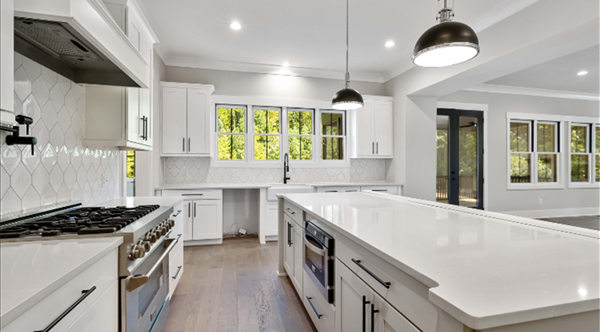
The next step is to narrow down what you are looking for in a home. Start by identifying your must-haves, along with features that would be nice but are not necessary. Many buyers, especially first-time homebuyers, find that they may need to make a few compromises to find the right home, and that is a normal part of the process. Once your priorities are clear, your Realtor will help you search for homes that fit your criteria and schedule showings that align with your schedule and preferences. This stage of the home buying process can take anywhere from a few weeks to a few months depending on your goals, budget, and timeline.
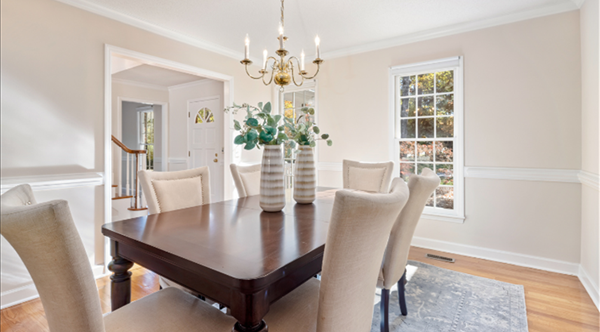
Once you find the right home, the next step is submitting an offer. In many markets, homes can sell quickly, so being prepared to act fast is important. Your Realtor will walk you through the offer process, review market conditions, and help you write a strong and competitive offer. The goal is to position your offer in a way that gives you the best chance of getting the home while still protecting your best interests.
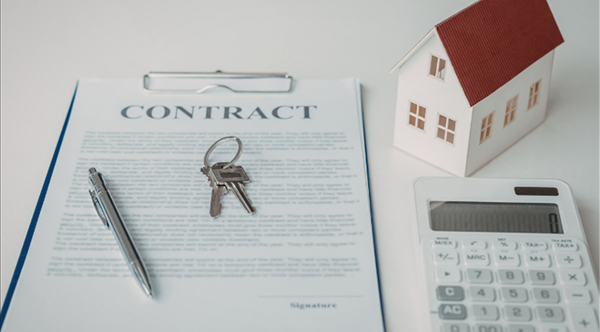
After your offer is accepted, you will move into the next phase of the process by submitting your earnest money deposit and arranging a home inspection. At this stage, your purchase agreement may include contingencies, meaning the sale is dependent on certain conditions being satisfied. These can include the results of the inspection, final loan approval, and the home’s appraised value.

During this stage, a home inspection is completed to assess the condition of the property and identify any potential issues before moving forward. Based on the results, you may choose to move ahead as-is, request repairs, renegotiate terms, or walk away from the purchase. If you are obtaining financing, your lender will also require an appraisal to confirm the home’s value matches the agreed-upon price. If the appraisal comes in lower than expected, you may need to cover the difference, which is an important consideration in a competitive market.

As closing approaches, you will work with your lender and title company to finalize all remaining details of the transaction. Your Realtor will help keep everything on track while you prepare for move-in, including setting up utilities in your name for the closing date. Prior to closing, you will receive a Closing Disclosure that outlines your final loan terms and the total amount needed to close. Closing funds are typically paid with a cashier’s check, helping ensure a smooth and successful finish to the home buying process.


© 2003-2026 Edina Realty, Inc.
All rights reserved.  Equal Housing Opportunity | Edina Realty - Real Estate, Mortgage and Title experts in Minnesota and western Wisconsin.
 ©2026 Prosperity Home Mortgage LLC®. (877) 275-1762. 3060 Williams Drive, Suite 600, Fairfax, VA 22031. All first mortgage products are provided by Prosperity Home Mortgage, LLC®. Not all mortgage products may be available in all areas. Not all borrowers will qualify. NMLS ID #75164 (For licensing information go to: NMLS Consumer Access at http://www.nmlsconsumeraccess.org/) Arizona Mortgage Bankers License 1001252. Licensed by the Department of Financial Protection and Innovation under the California Residential Mortgage Lending Act. Licensed by the Delaware State Bank Commissioner. Georgia Residential Mortgage Licensee. Massachusetts Mortgage Lender and Mortgage Broker MC75164. Licensed by the NJ Department of Banking and Insurance. Licensed Mortgage Banker-NYS Department of Financial Services. Rhode Island Licensed Lender. Rhode Island Licensed Loan Broker. Rhode Island Licensed Third-Party Loan Servicer. Also licensed in AK, AL, AR,AZ, CO, CT, DC, FL, ID, IL, IN, KS, KY, LA, MD, ME, MI, MN, MO, MS, MT, NC, ND,NE, NH, NM, NV, OH, OK, OR, PA, SC, SD, TN, TX, UT, VA, VT, WA, WI, WV and WY.
Prosperity Home Mortgage, LLC®, Prosperity Home Mortgage® and the Open Door Icon are Registered in U.S. Patent and Trademark Office.
By searching you agree to the end user license agreement.
For sale: Properties which are available for showings and purchase
Active contingent: Properties which are available for showing but are under contract with another buyer
Pending: Properties which are under contract with a buyer and are no longer available for showings
Sold: Properties on which the sale has closed.
Coming soon: Properties which will be on the market soon and are not available for showings.
Contingent and Pending statuses may not be available for all listings