

Keep, toss or ask: What homeowners should leave behind when selling their home

/media/4028/dont-leave-behind-february-2026.jpg

Key insights

  • When selling, it’s important not to burden the new owners by leaving behind items they didn’t ask for.
  • Some items, like manuals, warranties and spare parts, can be left behind as a convenience to the new owners.
  • When in doubt about what to leave behind, consult your REALTOR® for their expert opinion.

Your home’s headed off the market and you’re headed to the closing table. As you pack up your belongings, you may wonder how tidy you should leave the property — and what you can leave behind as you pack up for good.

Here are tips to ensure a no-drama handoff to your home’s new owners.

Don’t leave anything behind without asking

After years in one place, some items can feel like they belong in a certain room or space — but they really just belong to you. Consider the fabric laundry room cubbies that fit just so on the shelves, the stand-up toilet paper dispenser in the basement bathroom, the twinkly lights you hung in the backyard a few summers ago.

If you haven’t specifically received notice that the buyers want to keep those items, you should take special care to remove them. In Minnesota and Wisconsin real estate contracts, you are typically required to remove all debris and personal property. When you aren’t sure if an item counts as a fixture to the property or should be removed, ask your REALTOR for their opinion.

To ensure you don’t miss anything, as a best practice:

  • Look through cabinets, drawers and closets in every room.
  • Remember to check the attic, basement and overhead garage storage.
  • Have 2-3 people check each room before it’s given the final signoff.

Leave behind device- and repair-specific extras

Unless you have explicit instructions from the buyer, you can usually leave behind device- or repair-specific items, including:

    • Manuals and warranties for appliances and systems
    • Extra filters for your furnace or central air system
    • Leftover bathroom, kitchen or roofing tiles
    • Light bulbs that fit certain light fixtures
    • Extra cabinet hardware

The idea behind leaving these items is that they will be a help, not a burden, to the new buyer. While a few spare paver stones are a nice offering to a buyer who may someday need to repair a cracking patio, a pile of 200 paver stones you didn’t want to dispose of is not. Use your best judgment when you are leaving any items behind.

What to do with extra paint cans

It’s hard to know if a homebuyer is planning to keep the paint color that you used for the home’s exterior or interior. But because paint samples often must be properly disposed of, you don’t want to burden the new owner with paint samples they don’t plan to use.

If you have extra paint cans, ask in advance (via their agent) if they’d like them to remain in the house. If you don’t have extra paint, but you do have a reference of the brands and colors used throughout your home, it can be kind to leave behind that guide so the new owner can touch up certain rooms or areas.

The final cleanup and lawn etiquette

Most purchase agreements — and generally all of them in the state of Wisconsin — require that the home be left in “broom-clean condition.” This phrase can have varying interpretations, but in general, it’s considered best to pass on a home that doesn’t need to be cleaned from top to bottom upon move-in.

Minimally, you’ll want to:

        • Sweep and vacuum all floors, including inside closets and smaller storage spaces.
        • Wipe down all cabinets and counters, inside and out.
        • Clean kitchen appliances, including the tops and inside of the refrigerator, freezer, oven and microwave.
        • Clean the bathrooms, including the shower, bathtub, toilet, sink and vanity.
        • Remove any signs of pets — including fur, stains and odors.
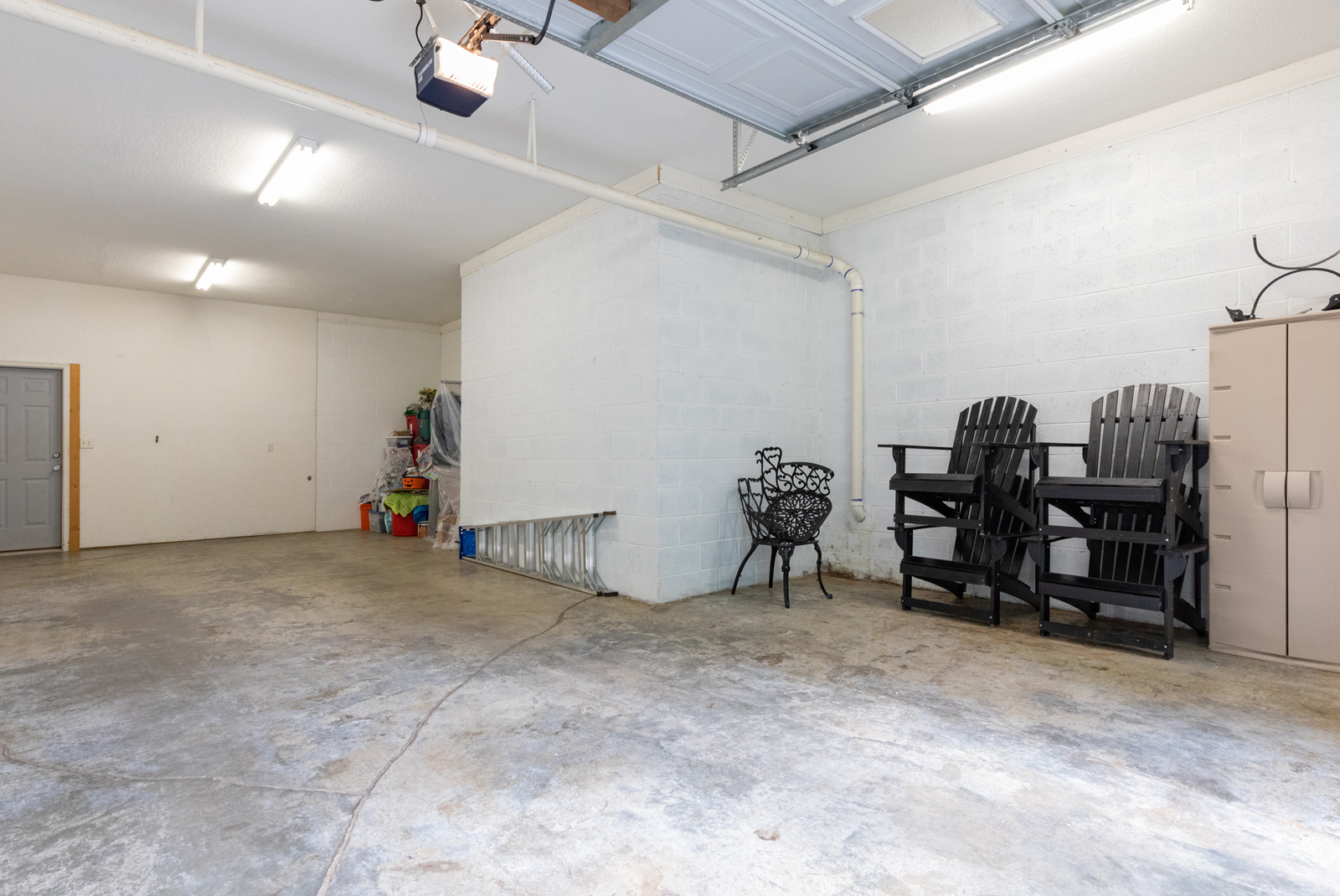
        • Sweep the garage floor to remove all debris.

In the winter, consider plowing the driveway and sidewalks one final time before closing. In warmer months, mow your lawn in the days before closing so the new owner doesn’t have to trudge through tall grass during move-in.

Ready to move on?

If you’re hoping to sell your home, get you on your way by reaching out for assistance on selling, moving and finding what’s next.

Tax prep documents for 2025 buyers and sellers

/media/4028/buy-or-sell-home-february-2026.jpg

Key insights:

  • Homebuyers and sellers need to fill out specific forms for their taxes.
  • When in doubt, don’t throw it out! Keep a file of receipts from your home transaction.
  • Your REALTOR® can help you locate tax documents.

Buying or selling a home is likely one of the largest financial transactions you’ll make in your lifetime. While it’s easy to get swept up in the emotions and excitement of a move, you’ll also want to consider the logistical components of your purchase. The paperwork you sign will become especially important around tax time.

If you bought or sold a home last year, you’ll need specific documents for tax preparation. Here are some details of each of these home-related tax documents:

  • Form 1098
  • Form 1040
  • Form 1099-S
  • Closing Disclosure

Keep in mind that this is general advice, and you should work with a tax or accounting expert to ensure you accurately fill out any tax forms and otherwise prepare your taxes.

What tax documents do homebuyers need?

If you’re a new homebuyer, look out for Form 1098. This document, also called the Mortgage Interest Statement, will be sent to you if you’ve paid mortgage interest totaling $600 or more in the last tax year.

This form helps new homeowners identify the total amount of interest they’ve paid over the course of the year, which can then be used to calculate potential mortgage interest deductions. Keep in mind that there are requirements to qualify for mortgage interest deductions on your annual tax return. If the following applies to you, you may be eligible for the deduction, and we encourage you to speak with a tax professional to determine whether you qualify.

  • You’ve paid mortgage interest totaling $600 or more in the last year.
  • You are actively contributing payments to the loan.

If, however, you’ve contributed less than $600 to home mortgage interest, you will not get Form 1098 in the mail from your lender. Either way, you may need to fill out the optional Schedule A attachment accompanying Form 1040 to claim any itemized deductions, including a mortgage interest deduction.

What tax documents do home sellers need?

If you’ve sold a piece of real estate for a sale price of at least $250,000, you should receive and report Form 1099-S, also known as the Proceeds from Real Estate Transactions form. This document indicates that you’ve sold a home and is used to calculate whether you need to pay capital gains tax.

If you’re required to report your sale, the 1099-S document will be provided to you at the time you sign your closing documents. The 1099-S is used to report the gross proceeds from the sale of real estate. Receipt of a 1099-S does not automatically mean tax is owed. You should talk to a tax advisor for tax advice.

Everyone should save these papers for taxes

At the time of closing, buyers and sellers will each receive a Closing Disclosure form or an ALTA Settlement Statement, which documents the closing costs associated with the home transaction. It’s important to keep track of this form because it is useful for preparing your taxes. Here is an example of what the form will look like and include.

In general, whether you’re buying or selling a home, it’s best to save all documents related to your homeownership. These will come in handy should you need them for tax purposes or if you ever happen to be audited.

Here are some papers you’ll want to keep track of:

  1. Records from your home sale
  2. Any mortgage or insurance documents
  3. Documents proving your home is your primary residence (voter registration, tax returns, bank statements, utility bills, etc.)
  4. Receipts from home improvement projects

Moving forward with your taxes

Taxes can feel daunting, especially the year after you’ve bought or sold a home. While you may want to hire someone to prep your taxes this year, you can also reach out to your agent for assistance in obtaining some of the above documents.

And for more information on tax documents, or to download these forms, check out the Internal Revenue Service (IRS) website and the Consumer Financial Protection Bureau (CFPB) webpage.

How winter sellers can prepare for snowy showings

/media/4025/house-hunting-winter-february-2026-1.jpg

Key insights

  • Provide shoe covers or a boot drying rack to ensure snow and mud aren’t tracked through your home.
  • Institute a new routine to quickly dry out coats, mittens and other items after you return from school and work.
  • Pay close attention to your driveway and sidewalks to ensure they are free from snow and ice; add salt or sand to every walkway to ensure no one gets injured.

Selling your home any time of year can be stressful, but when you add snow and ice to the mix, everything gets a bit more complicated. Here are some tips and tricks to help you keep your home show-ready during these harsh winter months.

Focus on your floors

Whether you added lush new carpet or restored 90-year-old hardwood floors, you likely put a lot of work into your home’s flooring before you listed. Don’t waste your efforts by allowing your family members or incoming buyers to track in snow, ice or dirt. Protect your home by:

  • Request that your family and friends enter the home through the garage when your home is up for sale.
  • Adding a boot rack or boot drying tray to your mudroom or your entrance from the garage.
  • Asking that all potential buyers to take their shoes off upon entering your home (add another boot rack inside the front entrance).

If you have a dog, be sure to wipe their paws off every time you let them in from outside.

Create an outerwear plan

Our next tip focuses more on your family than potential buyers. Most families tend to rotate coats, mittens, jackets and scarves, but when you’re selling your home, you have to be more aware of potential clutter. While your home is on the market, make sure that every member of your family sticks to just one heavy jacket, one hat, one scarf, one set of mittens or gloves and one pair of boots.

Then, institute this after-school or after-work routine:

  • Put all wet items (except boots and shoes) into the dryer immediately.
  • Set a timer for 30 minutes.
  • When the timer goes off, remove outerwear from the dryer and hang it in the mudroom or coat closet.

This may seem like overkill, but if a last-minute showing pops up, you’ll have warm and dry outerwear to put on — and buyers won’t be turned off by a musty smell or a wet entryway or mudroom.

Last, add a coat rack to your front entryway so buyers can take off their outerwear before entering the house for a showing.

Clear and light your walkways

Buyers who slip and trip up your driveway will be less likely to appreciate what your home has to offer, so be sure to shovel or plow your driveway and sidewalks every time it snows. If swinging temperatures have created icy walkways, be sure to salt or sand them before every showing. You may also want to salt or sand before you leave home each morning, in case of last-minute showing requests that pop up during the day.

Next, consider lighting. If you didn’t install path lighting before the ground froze, talk with your REALTOR® about your options. At a minimum, keep your front door and garage lights on all night, rather than relying on motion-sensor lights.

Keep a lookout for external issues

Homebuyers are going to be taking a close look at every nook and cranny of your home to see if it meets their needs and if there are any potential pitfalls. In the winter, this can include your roof and gutters to see if there are any indicators of ice dams or other signs of external damage.

There are ways to help prevent and fix ice dams, starting with cleaning your gutters properly. Still, it’s a good idea to watch the weather and keep your eyes peeled for melting snow and snow accumulations. That way, you can address issues as they arise and prevent them from becoming problems.

Prepping to sell?

Buyers are out there, and they’re eager for new homes to go on the market. To discuss your options and the price you may be able to get at closing, get in touch today.

The 2026 housing market: What’s ahead for buyers and sellers

/media/4021/2026-market-predictions.jpg

Key insights

  • After several slower years, home sales are expected to increase in 2026 as more buyers and sellers re-enter the market.
  • Inventory is improving in many areas, but most markets in Minnesota and western Wisconsin are still not truly balanced and tilt in favor of sellers.
  • Mortgage interest rates are projected to hover at around or slightly below 6% by the end of 2026.
  • Home prices will likely see modest, steady growth (low- to mid-single digits).
  • The “lock-in effect” should slowly ease as life changes and slightly lower rates motivate more homeowners to list, creating new opportunities on both the buy and sell sides.

Sharry Schmid, president & CEO, Edina Realty Home Services

As president & CEO of Edina Realty Home Services, Sharry Schmid leads the top brokerage in the market and guides over 2,000 REALTORS® throughout Minnesota, western Wisconsin and southwestern Florida.

One question I hear frequently is: “Will 2026 finally be a better time to move?”

Behind that are a lot of personal questions:

  • Can I afford to buy my first home if rates are still around 6%?
  • Is it worth giving up my 3% mortgage if I need more space or want to downsize?
  • Will I have more choices, or will I still be competing with multiple offers?

My answer, as always, is that it depends on your goals and your situation – but 2026 is expected to offer more opportunities than we’ve seen in recent years.

Let’s take a look at what we’ve just lived through and then look ahead to 2026.

Looking back at 2025

In 2025, the housing market continued to recalibrate after the extremes of the pandemic era and ultra-low interest rates. We saw a mix of challenges and progress, and real estate continued to be, as always, hyper-local and segmented by location and price point.

Minnesota*

  • The inventory (supply) of homes for sale increased 1.7% over 2024, but still did not keep pace with buyer demand.
  • Prices rose slightly, with median sales prices up 0.9% to $351,000.
  • Closed sales activity was up 2.2% over Oct. 2024.
  • Average days on market increased 7.1% to 45 days.
  • Months supply remained flat at 3.1 months, remaining a seller’s market.

According to US Census data, Minnesota has the highest homeownership rate in the nation (50.80%) for people under 35, and an impressive 71% of households own their homes, which bodes well for wealth building and community stability.

Wisconsin**>/un>

  • The inventory (supply) of homes for sale did not keep pace with buyer demand, but it did increase 1.7% over 2024.
  • Prices rose, with median sales prices up 6.9% to $331,500.
  • YTD home sales were up 3.4% over 2024.
  • Average days on market increased 4.4% to 71 days.
  • Months supply decreased 2.5% to 3.9 months, remaining a seller’s market.

What will happen in real estate in 2026?

No one has a crystal ball to predict the future, but economists and housing experts are more aligned about 2026 than they’ve been in a while, agreeing that it will likely be a year of increased opportunities.

Housing is highly dependent on jobs and interest rates.

A seller’s market that is slowly moving toward balance

Most of Minnesota and western Wisconsin will likely remain seller-leaning in 2026, but not at the frenzied levels we saw a few years ago.

  • Inventory has been ticking up, with more homes for sale than a year ago in both states.
  • Months’ supply is gradually growing, but in many areas, it still falls short of the four- to five-month benchmark that signals a balanced market.

For sellers, that means:

  • Well-priced, well-prepared homes should still sell – often quickly – especially in popular neighborhoods and price ranges
  • Multiple offer scenarios may be less common
  • The time a home spends on the market before sale may increase slightly
  • Strong equity will continue to offer opportunities to move

For buyers, that means:

  • Slightly more inventory and a bit more time to make decisions.
  • Competitive offers that include home inspections and fewer contingencies

Mortgage interest rates are easing

After reaching nearly 7% in recent years, average 30-year mortgage rates have been trending down toward the low-6% range heading into 2026.

As I mentioned earlier, forecasters like Fannie Mae are predicting:

  • Average 30-year fixed rates will be around 6.2% in early 2026
  • The possibility of 5.9% by the end of 2026

Lower rates offer greater purchasing power and give buyers the ability to start building equity and personal wealth. And when you also factor in shelter and the ability to make home improvements without a landlord’s permission, the benefits go well beyond just financial ones.

It’s important to understand that the low rates of recent years (3-4%) were the exception if you look at historical trends. Remember, even when you buy at a higher rate, there are financing opportunities, including the option to buy down interest rate points or to refinance in the future. Talking to a mortgage consultant can help determine what might be right for you.

The lock-in effect loosens its grip

For several years, homeowners with a ~3% interest rate have been reluctant to move because their next loan would come at a higher rate. As we’ve moved further away from the pandemic era, the lock-in effect has softened.

  • Life events — what we often refer to as the “Ds” (degrees, diamonds, diapers, divorces, downsizing and deaths) — will continue to drive moves, regardless of rates.
  • As time passes and more people buy or refinance at higher rates, a growing share of homeowners will no longer be locked into ultra-low mortgages. In fact, according to data from Fannie Mae Mortgage Database, about 20.4% of current mortgage holders still have a sub-3% rate, while 19.7% have a 6%+ rate. This gap continues to close as more and more sellers and buyers enter the market.
  • With rates easing slightly, the payment difference between “staying put” and “moving up or down” will narrow for some owners, making a move more feasible.

The result? We’re likely to see more new listings in 2026 than in recent years, which should help create additional opportunities for buyers while still supporting solid prices for sellers.

Moving forward: Your 2026 outlook

Ultimately, whether 2026 is the “right time” to buy or sell depends less on headlines and more on your goals, your finances and what you need from your home in the next stage of your life.

What I can say with confidence is this:

  • The market is healthier and more balanced than it has been in several years, even if we’re not fully back to “normal.”
  • We expect more opportunities for both buyers and sellers as inventory improves and rates ease slightly.
  • Real estate remains a powerful long-term tool for building wealth and stability.
  • Real estate is local, and getting the advice of a professional is always in your best interest.

Edina Realty agents have the deepest local network across Minnesota, western Wisconsin and southwest Florida. They know the subtleties of each neighborhood, understand current pricing and inventory, and have access to homes that may not yet be on the open market.

If you’re wondering whether 2026 is your year to make a move, reach out to your Edina Realty agent today.

*Based on October 2025 data from the multiple listing services for the state of Minnesota, published by the Minnesota Association of Realtors. All percentages are year-over-year.

**Based on the October 2025 Wisconsin Real Estate Report published by the Wisconsin REALTORS Association. All percentages are year-over-year unless otherwise noted.

Things to do now if you want to sell in spring

/media/4016/winter-checklist.jpg

Key insights

  • Even if you aren’t planning on selling until spring, there are still plenty of tasks you can accomplish to get your home ready for listing.
  • Spend your indoor time deep cleaning and decluttering your space.
  • Whether it’s a DIY project or a professional remodel, use the next few months to do some home updates so you can space out your payments and timelines.
  • Start assembling all your important home documents, like owner’s manuals and tax documents.
  • Find a REALTOR® who can help you on your home-selling journey.

Selling during the winter in the Midwest isn’t always appealing. Between chilling temps, snowstorms and holiday gatherings, there’s plenty going on to keep you indoors and busy. And while it’s totally possible to celebrate the season, schedule showings, sell and move, it’s understandable if you’d rather wait for warmer temps.

Whether you’re thinking of downsizing or planning a move up into a home that better fits your family, there are certain goals you’ll need to meet before you sell and steps you’ll need to take to start the selling process.

If you’ve decided to sell, but are waiting for the spring to avoid the holiday hustle and winter mayhem, there are still plenty of things you can do to get listing ready. Here are a few projects to consider taking on while you’re hunkered down at home.

Clean and declutter

Cleaning now might seem like a waste — after all, your space isn’t going to stay clean for months — but there are plenty of places that you might ignore or that could use a deep cleaning now. Then, come spring, you’ll only have to touch them up. Cleaning now also allows you to get a fuller picture of what you own, so you can start the decluttering and organizing process.

Decluttering your home not only makes it feel more spacious but will help ensure that you’re not bringing things you don’t want or need into your new home. Doing this early will help you feel less panicked (plus, it gives you the extra time to say goodbye to the more sentimental parts of your home).

While you’re cleaning things up and putting them away, it’s a good time to reevaluate your storage. (Remember that having ample storage space is a key essential that buyers look for.) If you’re finding items that you want to keep but are taking up valuable space, you might consider packing them up and moving to a storage unit. This process will also help with staging when the time comes for showings.

You’ll still have to do a good spring cleaning before listing, and you’ll have to keep your space nice and tidy during showings, but getting a head-start on deep cleaning and decluttering will save you a lot of time later.

Make repairs and improvements

Chances are, your home probably needs a few quick fixes. Since you’re probably unable to work on your curb appeal, start with some small indoor projects. Painting a room a neutral color, unclogging slow-moving drains or fixing a creaky stair are some quick fixes that can help you build momentum in getting your home in order.

Larger projects, like remodeling a room or updating a kitchen, are bigger financial projects that could involve contractors and longer timelines. Starting now allows you to space out your purchases and costs and ensure you have plenty of time built in for setbacks and finding the right specialist or product.

As you’re going through your home and making updates, you’ll also want to note any issues you’re not fixing for your disclosures — something your REALTOR can help you with.

Get your papers in order

While in the midst of decluttering and making updates, keep your eye out for owner's manuals, paint colors, manufacturer information and other documentation that the next homeowner may want.

It’s also helpful to assemble some of your insurance documents, as insurance coverage and rates have become a larger concern for buyers. Your future potential buyers may have questions about your policy and premiums, or about certain factors about the home that could impact insurance coverage.

You can also start to consider what papers and forms you’ll need down the road when you’re at the closing table, like property tax receipts and proof of repairs.

Find a REALTOR

Having an expert REALTOR in your corner can be crucial to your success. A REALTOR will help you determine how to price your home, how to effectively market it and make sure all the “I”s are dotted and “T”s are crossed, just to name a few of the advantages. The selling process can be complicated, and a licensed REALTOR has the training and experience needed to help pave the way for a quick sale at the highest price with the least amount of stress.

Get in touch

If you’re ready to get started on your selling journey, reach out. I can provide recommendations and do a property analysis to help you determine your home’s value.

How much of my income should I spend on a mortgage payment?

/media/4017/afford-the-house.jpg

Key insights

  • Most experts recommend spending a maximum of 28-35% of your pre-tax income on your housing expenses.
  • It’s important to keep in mind that other debt obligations — like student loans, car payments and credit card minimum payments — will also be factored in when you apply for a loan.
  • While expenses like groceries, gym memberships and cell phone plans won’t be considered by a lender, it’s important to minimize this spending so you can easily meet your monthly debt obligations.

Understanding your housing expenses

When a lender reviews your loan application, their main job is to verify that you are a low-risk candidate who will be able to cover your monthly housing expenses for the full life of the loan. To do this, they will first calculate your monthly PITI:

  • Principal of the loan
  • Interest on the loan
  • Taxes (estimated from annual payment)
  • Insurance (estimated from annual payment)

While every lender is different, and every loan application is reviewed independently, the general rule of thumb is that your monthly PITI should be between 28-35% of your monthly income before taxes. This number is known as your front-end debt-to-income ratio.

Understanding your debt obligations

Of course, you may have other long-term loans or debt obligations that you pay each month. Lenders will also take these debts into consideration as they review your loan application.

The easiest way to think of a debt obligation is to consider who you are paying back. Common debt obligations include:

  • Student loans
  • Car payments
  • Child support payments
  • Credit card minimum payments (if you have a long-term balance you are trying to pay off)
  • Medical or hospital bills

To calculate your back-end debt-to-income ratio, the lender will add up your monthly debt obligations, including your hypothetical monthly PITI. They will divide that by your total monthly income before taxes.

Typically, lenders are looking for a back-end debt-to-income ratio of 35-45%. But again, every lender varies and your personal financial history and income history will also be factored in.

What about other expenses?

You have daily, weekly and monthly expenses that won’t necessarily be taken into account by a lender — but that doesn’t mean you shouldn’t think about them as you begin the path to homeownership.

Before you apply for a mortgage, take stock of your monthly expenses, including:

  • Groceries
  • Gas or transportation costs
  • Restaurants, coffee shops and gas station pit-stops
  • Mobile phone plans, cable television plans and streaming services
  • Shopping and gifts

No one is perfect, and it’s likely that you could tighten up one or two of your spending categories without too much effort. Your lender may not notice, but you’ll find it easier to afford your monthly PITI and debt obligations when you minimize your other expenses.

For more information as you begin your homebuying journey, reach out today.

10 Smart ways to protect your home while you’re away

/media/4018/safe-travels-2.jpg

Key Insights

  • You don’t have to spend a lot to secure your home while you’re away
  • A few proactive steps can go a long way towards preventing unwanted visitors
  • Building community with neighbors can be a great way to detect suspicious activity

Whether you’ve got a week-long vacay on the books or just a weekend getaway, you’ll want to take precautions to make sure your home is safe and secure while you’re out and about. Here are some practical and affordable ways to protect your property while you’re away.

1. Fake being home

Making it look like you’re home is the best way to deter burglars. With smart plugs, timers and lights, it’s easier than ever to make your home appear occupied by turning lights and TVs on at different times throughout the day and night. Consider leaving your blinds or curtains at least partially open (your plants will also thank you) to give a natural, lived-in look. Better yet, ask a neighbor to park in your driveway and move your garbage bins.

2. Lock all the entries

While it may seem obvious, make sure to double-check every possible point of entry to your home before you head out. This includes front and side doors, sliding doors, garage doors and windows. Engage locks and deadbolts, and consider reinforcing door frames with heavy-duty deadbolts and strike plates for added security. If you have a smart lock, you can often set alerts for any unusual activity.

3. Light up the exterior

Making it difficult for unwanted visitors to lurk in the shadows is one of the simplest ways to protect your home. By installing motion-activated floodlights or solar lights near entryways and walkways, you’ll not only create greater personal convenience and safety, but you’ll also protect your home. Make sure to trim bushes and trees near windows, too.

4. Put in a home security system

Whether you choose to install a professionally-monitored security system or go the DIY smart-home route, home security is more accessible and affordable than ever. Many DIY options send alerts directly to your phone and come with cameras that monitor and record activity. Visible cameras and “protected by…” yard signs can also act as deterrents.

5. Keep your adventures private

While you might be tempted to share photos and details about your adventures with friends and followers online, it’s best if you save them until you get home. You don’t want to inadvertently advertise an empty house. Similarly, don’t advertise your location in real time.

6. Make arrangements for packages and mail

Packages piling up in the mailbox or on the front steps are a sure signal nobody’s home. Make sure to use the USPS Hold Mail Service, reschedule or reroute expected deliveries, or ask a neighbor to collect your mail and bring packages inside.

7. Safely store your valuables

Always store passports, jewelry, cash and documents in a fireproof, bolted safe to keep them safe from environmental exposure and burglary. In the unfortunate event that someone gains entry into your home, keeping your most valuable belongings out of predictable locations like closets and drawers is important.

8. Ask a neighbor for help

If you have trusted neighbors, request that they look in on your property while you’re away. Ask them to keep an eye out for unusual activity, water plants, bring in trash bins and packages, and monitor the home for any issues with your HVAC or water while you’re gone. Then offer to return the favor the next time they travel!

9. Keep your codes close

Discourage your family members from sharing your door and garage codes with others, and change them often. If you have somebody taking care of things while you’re away, give them a temporary code. Never share codes with service people, and change locks if keys go missing.

10. Don’t overshare when it comes to purchases

Try to keep announcements of big purchases and vacations off social media. If that proves impossible, adjust your privacy settings to include only trusted friends and family. Remember not to post on pages that could advertise your absence, like pet-sitting agencies, hotel chains or airline and cruise line pages.

Hoping to make a move?

Reach out today to determine your home’s value or start your search for a new abode, complete with smart lighting and home security.

Five things to keep in mind when buying a home this fall

/media/4006/buying-a-home.jpg

Key insights:

  • Prices are still rising across the Twin Cities metro, Minnesota and Wisconsin.
  • The supply of homes for sale is growing, but it’s still a seller’s market.
  • Days on market continue to increase, giving buyers more time to make decisions.
  • Interest rates dropped to a three-year low in mid-September, giving buyers more buying power.
  • Real estate is hyper-local, and an experienced professional is essential.

Fall homebuyers, take note

If you didn’t meet your homebuying goals this summer, don’t fret—there’s still time to get into your dream home before winter weather sets in. In fact, while it’s still a seller’s market, conditions have been moving to be more favorable to buyers, with homes staying on the market for longer and interest rates hitting a three-year low in mid-September. And with some buyers deciding to wait until after the holidays to resume their home search, those who continue on the hunt now can benefit from reduced competition. Here are five insights you can use as you look to buy your home this fall.

Buyer reality #1: Home prices continue to rise

Affordability remains a top concern for many buyers, especially those buying their first home (reminder that current homeowners have record-high equity and can put it to work on the purchase of their move-up property). This has made some would-be buyers delay their home purchase, hoping for prices or interest rates to come down.

In August, the median sales price climbed 2.3% in Minnesota to $360,000, 2.8% in the Twin Cities metro to $399,999 and 5.3% in Wisconsin to $338,000. High demand and low inventory have left buyers competing over the same homes, which drives up sales prices.

The reality is that home prices are likely to continue to increase, and would-be buyers who delay their purchase are missing out on building home equity and personal wealth. This makes waiting more expensive in the long run.

Buyer reality #2: Home inventory is growing, but remains low

The good news for buyers is that home inventory has been growing for the past 24 months (August marked the first decline in the metro area), giving them more options and reducing competition slightly. That said, it’s still a seller’s market, which is marked by an undersupply of homes for sale. Generally speaking, a balanced market needs around five to six months of supply. Anything less is a seller’s market; anything more is a buyer’s market.

  • Minnesota is undersupplied with 3.1 months
  • The Twin Cities 16-county metro is undersupplied with 2.7 months
  • Wisconsin has a range of 3.6 months in urban counties to 5.9 months in rural counties (July data)

Buyer reality #3: Homes are taking longer to sell

When buyers compete over the same properties, sellers reap faster sales, especially when there is a shortage of homes for sale on the market. But the good news for buyers is that with growing supply, the average time a home spends on the market before selling has been increasing in recent months, averaging:

  • 42 days in the Twin Cities 16-county metro area, according to the Minneapolis Area Association of REALTORS®
  • 40 days in Minnesota, according to the Minnesota Association of Realtors
  • 66 days in Wisconsin, according to the Wisconsin Realtors Association (July)

This gives buyers more time to make decisions and find the right fit. However, buyers should still have a clear plan for what they’re looking for, in what area, at what budget and in what timeline.

Buyer reality #4: Rates can impact buying power and market activity

Mid-September brought a decrease in mortgage interest rates, giving buyers more buying power. Even a slightly lower interest rate can offer significant savings on a monthly mortgage payment and give buyers the ability to afford more home or expand their search.

Buyers who are waiting for interest rates to come down further should consider this: when rates are lower, more buyers enter the market, which increases competition and can increase sales prices as a result. No one market metric operates in a vacuum, and while a lower rate offers more buying power, increased competition and sales prices can have the opposite effect, so it may not pay to wait for rates to drop further.

Buyer reality #5: Markets are hyper-local

Neighborhood, location, condition, price, property type, timing and more play a role in real estate market dynamics. While you may have access to information, it takes an experienced professional to help you understand what it all means so you can make an informed decision and move forward with confidence.

Thinking about buying?

Ready to start your home search and get settled before the holidays? Reach out for the real estate help you need to achieve your homeownership goals.

All Minnesota and Twin Cities information is based on data reported by the Minneapolis Area Association of Realtors for Aug. 2025. Wisconsin information is based on data reported by the Wisconsin Realtors Association for July or Aug. 2025.

Selling an outdated house? Five fixes buyers love

/media/4007/buyers-home-features.jpg

Key insights:

  • Buyers are searching for homes in move-in condition. With some simple upgrades, your pre-loved house can become a competitive listing.
  • Rather than undertaking an entire home renovation, select a few updates that can be done quickly, inexpensively or DIY.
  • Pay special attention to additions that buyers are known to love, like hardwood floors, exterior light fixtures and painted cabinets.

Wondering if you need to remodel your entire house before listing? Thanks to a 2024 study, “What Home Buyers Really Want,” conducted by the National Association of Home Builders (NAHB), you don’t have to guess. Now, you can appeal to today’s buyers by making a few easy tweaks to your property.

Plus, according to findings from the National Association of REALTORS®, 85% of today’s homebuyers purchased previously owned homes. So, if you’re thinking your pre-owned abode can’t compete with newly constructed properties, think again! Many buyers are searching for homes like yours — and they’re likely paying full price, too.

Below are five home projects that are smart, inexpensive and can help polish an outdated space. Plus, 80% or more of NAHB’s survey respondents deemed them essential or desirable!

1. Laundry room

A dedicated laundry space is a big draw to home buyers. Included are a washer, dryer, folding/ironing area and storage for drying racks, stain treaters, detergents and drying sheets. Remember that a laundry room often doubles as a space for cleaning supplies, so cabinets, closets and shelves all add value to the space. Bonus if there’s a utility sink for handwashing delicates and filling up mop buckets!

2. Outdoor space

Whether it’s a patio, porch or deck, buyers are eager for outdoor space that allows them to relax outside when the weather is nice. These areas can vary greatly from enclosed, backyard oases to a cozy corner to stop and chat with neighbors; it all depends on the space you have and how you use it. Landscaping is also a great way to increase curb appeal and doesn’t have to involve a lot of labor to upkeep while you’re on the market.

3. Energy Star windows

Energy efficiency is a huge draw to potential buyers, and windows are a great place to start. Energy Star certified windows meet specified performance criteria that will help reduce a home’s energy use, lower utility bills and prevent air leaks and drafts, allowing homeowners to create a comfortable climate within their home. They also feature multiple panes of glass that are often cushioned with gas to help with insulation, as well as insulated frames to minimize heat transfer.

4. Exterior lighting

Not only will exterior lighting add visibility and safety to the property in the long haul, it will also improve your curb appeal as you sell your home.

Here are a few creative ways to install additional lighting to the exterior of your home:

  • Replace front door lighting fixtures
  • Add uplighting under the front porch
  • Insert in-ground lighting along walkways
  • Illuminate a pergola or deck with cafe lights

5. Hardwood floors

Hardwood floors are a go-to renovation for soon-to-be sellers. If your home already has hardwood floors, you’re in luck. Simply give your floors a clean and fresh shine by refinishing or resealing the wood.

If your property currently has carpet, linoleum or other flooring, it may be time to upgrade to hardwood floors. Laminate options are available for less money, while true hardwood will cost more (and may be more appealing to buyers).

Other highly sought-after features

Don’t have the money for new windows or the space for a dedicated laundry area? Here are a few other highly-rated updates noted by NAHB:

  • Ceiling fans
  • Garage storage
  • Tankless water heaters
  • LED lights
  • Outdoor fireplace
  • Table space in the kitchen or built-in seating in the kitchen

Moving forward with a home sale?

Looking for more tips about the selling process? You can rest assured that you have a market expert guiding the path to a successful home sale. Reach out today for help choosing smart home updates and posting your “for sale” sign.

Is it time for you to move up?

/media/4008/move-up-buyers.jpg

Key insights:

  • Those suffering from too little room or an ineffective space may be due for a move-up into something larger and with more amenities for a growing family.
  • With lower mortgage rates, it is a good time to enter the market as a buyer. Fall also offers a less competitive market for homebuyers seeking the right fit.
  • Home equity is at an all-time high, giving move-up buyers the financial backing to take on a larger down payment and mortgage.

You’ve been in your home for a while and feel like you’re ready for a change into something bigger and more in line with your family's needs. But is now the right time? Should you wait until the rates go down or the market changes? Would your current house even sell?

Before you make up your mind based on what-ifs, let’s take a closer look at why moving up may be the right choice and what you can expect from the market.

Do you need to move on and move up?

First things first—are you ready for a move up? Truthfully, you probably already know if your family needs more space or better amenities, but if you’re still unsure, consider these questions:

  • Have you had additions to your family since you bought your home (kids, pets and parents)? Do any of them require their own room, a space in the garage or additional safety precautions like a fenced-in backyard or fewer stairs?
  • Are you frustrated with your home’s layout? Is it making it more difficult to do everyday tasks like cooking, laundry or taking the dog outside?
  • Are you spending more time traveling to work, school activities, doctors or visits with family and friends?

If you’ve answered yes to any of these questions, your family is probably ready for a move-up. Something with more rooms, a bigger yard and more functional space is needed for your family to live comfortably. Even if you feel like you can make your current home work, there’s most likely another home that would better suit your needs and make your home feel more like a haven, rather than a space you squeeze into.

Is it a good time to move up?

Fewer pending sales, slightly lower sales prices and fewer new listings are hallmarks of the autumn market. Fewer buyers in the market leaves more room for you to find the right home at a slower pace and with less competition. Sellers are often motivated to sell during this period, too.

Mortgage rates have also been coming down, causing reluctant buyers and sellers to enter the market and finally take action to either buy or list. As baby boomers continue to age, many are looking to either downsize, move closer to family or enter a 50+ community, adding a range of homes that are perfect for growing families. If you’re worried about rates rising again, know that you may be eligible to lock in your interest rate.

What does this mean? Homeowners like you are finding that selling and buying are a viable option. Those who are looking to trade up are in an especially good position.

Can you afford to move up?

According to data from CBS, the average homeowner has about $313,000 in equity in their home. As your home equity continues to grow, so does your home buying power. Note that the longer you’ve been in your home and the more you pay toward your mortgage, the higher your equity grows. Home price appreciation also contributes to the wealth of homeowners, and the steady rise in median sales prices is a good sign for current homeowners who are growing their wealth in hopes of a home trade-up.

In June of 2025, nearly 30% of existing home sales were paid for in cash by homeowners using the equity from their previous home sale, according to the National Association of Realtors (NAR). According to the 2025 NAR Home Buyers and Sellers Generational Trends, 45% of respondents noted that the down payment on their new home was paid for by the equity accumulated from their last home.

Ready to trade up?

Let’s talk about what your home could be worth and what amount of equity you could be working with as you start your search for a new home.

If you’re ready to get off the fence and into today's market, reach out and we'll get you started with the move-up process.

Status Definitions

For sale: Properties which are available for showings and purchase

Active contingent: Properties which are available for showing but are under contract with another buyer

Pending: Properties which are under contract with a buyer and are no longer available for showings

Sold: Properties on which the sale has closed.

Coming soon: Properties which will be on the market soon and are not available for showings.

Contingent and Pending statuses may not be available for all listings