
Key insights
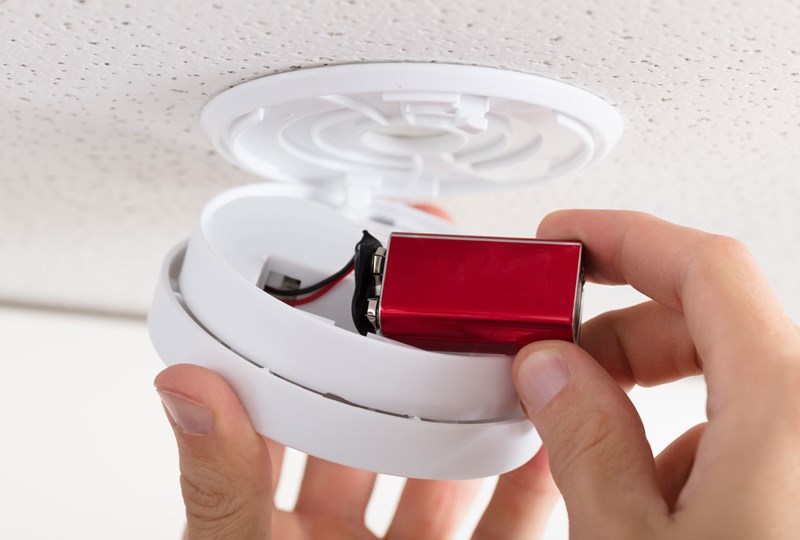
- Routine maintenance is essential to preventing fires. Smoke detectors, furnace filters and gutters should all be checked regularly.
- Swap out potential fire hazards, like open flame candles, for safer alternatives in your home.
- Consider upgrading your home’s materials to Class A fire-rated options.
Whether you recently bought a new house or hope to improve your long-term dwelling, fire safety is essential. For 10 tips you can use to improve your home’s interior and exterior, read on.
1. Install and check smoke detectors
Step one on your list of to-dos is to check your smoke detectors. This means checking that all detectors are installed correctly and working properly.
- Place smoke alarms in every bedroom, hallway and on each level.
- Test them monthly and replace batteries twice per year.
When it comes time to buy or sell, some home inspections also check for and test smoke detectors.
2. Purchase, inspect or replace aging fire extinguishers
Do you have working fire extinguishers in your home? When was the last time you inspected them, and how long have you had them? Conduct a monthly visual inspection to ensure extinguishers are still in working order.
- Make sure your extinguisher is in a designated and accessible space.
- Check that seals, indicators and other parts are free from damage.
- Note that the pressure gauge is in its suggested range.
Remember: In a fire emergency, every second counts! Experts recommend keeping an extinguisher on each level of your home, especially in the kitchen, near fireplaces and in the garage.
3. Fireproof your grill and outdoor areas
Backyard grills, barbecues and fire pits are summer staples, but they can also increase your fire risk. Be sure to place all grills and fire pits away from shrubs and debris.
- Trim tree branches at least 10 feet away from your chimney and roof.
- Clear flammable vegetation within 30 feet of your home.
- Plant fire-resistant plants (like coneflower and lavender).
- Swap wood chip mulch for gravel or stones.
Make sure to read labels carefully when decorating your outdoor spaces. While most new patio furniture will be fire-resistant, you may have to apply a flame retardant to older furniture.
4. Inspect roofing, siding, eaves, gutters and vents
A fire can easily spark if embers happen to enter overflowing gutters — especially in dry conditions. Be sure to remove all debris from your gutters, roof, eaves and downspouts to minimize this risk. You can also consider covering attic vents and crawl space openings with ⅛-inch metal mesh to prevent embers from entering.
Replace and upgrade to fire-resistant materials:
- Install fire-resistant roofing, choosing Class A fire-rated materials like metal, tile or asphalt-composite shingles.
- Consider fiber cement, stucco and brick for siding.
- Repair and replace damaged areas that could result in water leaks entering and damaging your electrical systems.
5. Install fire-resistant interior materials
Choosing the right rug for your space could require more than a simple question of color. If you’re replacing your carpets or rugs, consider fire-resistant options. Pay special attention to the material of hearth rugs or other floor coverings placed near a working fireplace, furnace or radiator.
- Choose Class A fire-rated insulation, curtains and furnishings.
- Avoid combustible wall paneling or untreated wood surfaces.
- Upgrade to double-pane or tempered glass windows.
- Select solid-core or metal doors, and make sure weatherstripping is intact.
6. Double-check electrical wiring
Be careful not to overload your wiring when adding a new device or appliance to your space. If you have older appliances, it’s a good idea to move them out from the wall occasionally to check for frayed wiring or signs of damage. Not sure what to look for? Hire a professional electrician to assess your wiring and make necessary updates.
7. Replace your furnace filter and clean your dryer’s lint trap
To minimize your fire risk, it’s critical to conduct routine furnace maintenance, including replacing your filter regularly. A clogged filter can cause a furnace to overheat and potentially catch on fire. If you aren’t sure what maintenance your furnace requires, contact an HVAC expert or research your unit online to find the owner’s manual.
You should also make it a habit to clean out your dryer’s lint trap every time you use your dryer, and make sure everyone in your family or household does, too.
8. Replace old-school candles
According to the National Fire Protection Association, candles cause four percent of home fires, and that risk increases during the holidays.
If you’ve used candles to create a cozy home atmosphere in the past, try swapping out your open flames for these alternatives:
- Essential oil diffusers
- Reed diffusers
- Battery-operated candles
- Fairy and string lights
If you absolutely must use candles with flames, be sure to light them only when you will remain present (and awake!) in the room.
9. Safely string lights
Whether hanging holiday lights or twinkle lights, make sure to take safety precautions.
- Only purchase lights with nationally recognized seals of approval.
- Replace burnt-out bulbs with proper wattage and voltage.
- Check that string lights aren’t frayed.
- Hang lights out of reach of little ones and pets – and away from heat sources.
- Use power strips to avoid overloading standard outlets.
10. Make a plan
No matter how many precautions you take, you still might find yourself facing a home fire. To ensure the safety of everyone in your household, create a fire escape plan.
- Create and practice a home evacuation plan with all household members.
- Select a place away from your home for everyone to meet.
- Ensure windows open easily, egress windows include escape ladders and exits remain accessible.
- Consider installing a home fire sprinkler system.
Get in touch
Moving forward with other home safety measures? Be sure to contact Edina Realty Insurance to protect your home and assets. Or, if you’re considering making a move to a new home, reach out to your agent or the customer care team at Edina Realty.
Edina Realty Insurance is an affiliate of Edina Realty. See Affiliated Business Arrangement Disclosure Statement.






 ©2026 Prosperity Home Mortgage LLC®. (877) 275-1762. 3060 Williams Drive, Suite 600, Fairfax, VA 22031. All first mortgage products are provided by Prosperity Home Mortgage, LLC®. Not all mortgage products may be available in all areas. Not all borrowers will qualify. NMLS ID #75164 (For licensing information go to: NMLS Consumer Access at